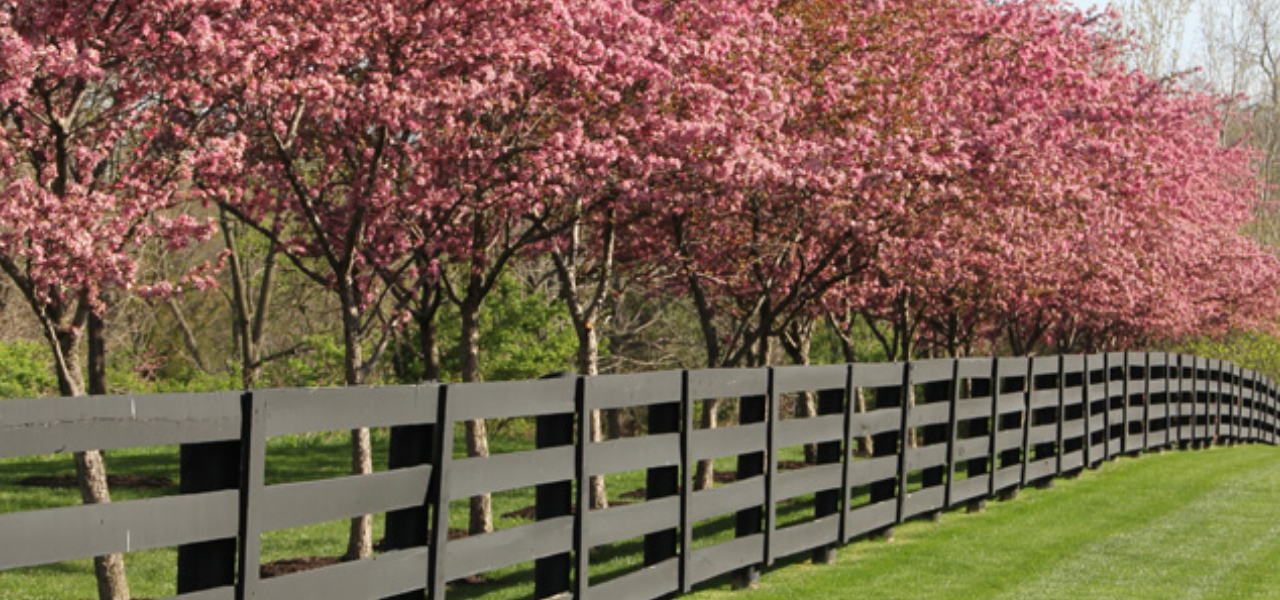
A split rail fence is the gentlest of boundaries — it marks your property without blocking the view, and it invites nature to weave through its rails. Split rail fence landscaping is about embracing rustic charm, letting wildflowers, daisies, lavender, and black-eyed Susans grow up and over the weathered wood. Unlike a solid fence that hides the landscape, a split rail fence frames it, turning your yard into a meadow that seems to stretch forever. You’ll discover that the best landscaping around a split rail fence is soft, natural, and effortless.
These split rail fence landscaping ideas will inspire you to create a boundary that feels like part of the countryside. From fences lined with purple lavender and white daisies to weathered wood overtaken by wild berries, from open gates welcoming you into a flower-filled field to stone paths that follow the fence line, you’ll learn to blend rustic structure with natural abundance. Like a meadow held in place by wooden rails, your split rail fence will be both boundary and beauty.
1. Wildflower Meadow: Grasses & Blooms Along the Rails
Let a grassy meadow grow right up to a split rail fence, with wildflowers like black-eyed Susans, coneflowers, and Queen Anne’s lace weaving between the rails. This natural split rail fence landscaping is pure countryside charm. You’ll love how the flowers soften the wood, and how the fence seems to float on a sea of grass, like a wooden ribbon through a meadow.
To achieve this look, plant a wildflower seed mix along the fence line. Choose native perennials that will return year after year. Allow the grass to grow long (no mowing near the fence). The split rails will peek through the flowers, creating a magical, meadow-like boundary.
2. Flower-Framed Fence: Blooms on Both Sides
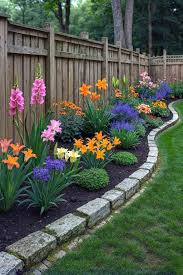
Plant flowers on both sides of the split rail fence, so the blooms surround the wood completely. This immersive split rail fence landscaping makes the fence almost disappear into a sea of color. You’ll love how the flowers create a living wall, and how the weathered wood adds texture, like a secret garden revealed.
For a flower-immersed fence, plant perennials like lavender, salvia, coreopsis, and daylilies on both sides. The fence will seem to float in a cloud of color. The rails will still be visible, but the flowers will be the star. This is the ultimate cottage garden look.
3. Bench by the Fence: A Restful Spot
Place a wooden bench in front of a split rail fence, surrounded by lush green grass and a few flowering shrubs. This inviting split rail fence landscaping creates a peaceful resting spot. You’ll love how the bench echoes the wood of the fence, and how the greenery frames the view, like a seat at the edge of a meadow.
A bench is a wonderful addition to split rail fence landscaping. Use a simple wooden bench that matches the weathered look of the fence. Place it where you can enjoy the view. Add a few potted flowers or a small tree nearby. The bench becomes a destination in your garden.
4. Sun-Drenched Field: Fence as a Horizon Line
Run a split rail fence across a sunny, open field, where the fence becomes a horizontal line against the sky. This simple split rail fence landscaping is about openness and light. You’ll love how the fence defines the property without blocking the view, and how the grass and wildflowers dance in the breeze, like a meadow stretching to the horizon.
In a large, open field, a split rail fence is all you need. Don’t overplant. Let the natural grasses and wildflowers grow. The fence should be a subtle boundary, not a wall. The beauty is in the openness — the fence is just a suggestion, not a barrier.
5. Daffodils & Daisies: Spring Along the Fence
Line your split rail fence with drifts of yellow daffodils in spring and white daisies in summer. This cheerful split rail fence landscaping brings seasonal color. You’ll love how the daffodils herald spring, and how the daisies last all summer, like a necklace of flowers around the field.
For continuous color, plant bulbs (daffodils, tulips, allium) that bloom in spring. Follow with perennials (daisies, black-eyed Susans, coneflowers) that bloom in summer and fall. The split rail fence will be framed by flowers all season long. It’s a simple way to add massive curb appeal.
6. Park-Like Setting: Mature Trees & Open Grass
Create a park-like setting with a split rail fence, mature shade trees, and open, mowed grass. This elegant split rail fence landscaping is understated and timeless. You’ll love how the fence defines the space without competing with the trees, and how the open grass feels like a private meadow.
A split rail fence is perfect for large properties with mature trees. Keep the landscaping simple: open grass, a few specimen trees, and the fence as a boundary. The result is a classic, park-like landscape that feels both formal and natural.
7. Wildflower Field & Trees: A Country Lane
Plant a wildflower meadow on one side of the split rail fence and a few scattered trees on the other. This bucolic split rail fence landscaping feels like a country lane. You’ll love how the flowers add color, and how the trees add height, like a landscape painting come to life.
For a truly rural look, let one side of the fence go wild with native grasses and wildflowers. On the other side, plant a few specimen trees (oak, maple, or dogwood). The fence separates the two zones, creating a sense of depth and destination.
8. Wild Berries & Weathered Wood: A Forager’s Dream
Let wild blackberry or raspberry bushes grow along an old split rail fence, their vines weaving through the rails. This rustic split rail fence landscaping is both beautiful and delicious. You’ll love how the berries add a pop of color, and how the vines soften the weathered wood, like a fence reclaimed by nature.
Wild berries are a perfect companion for a split rail fence. The thorny canes will climb through the rails, creating a tangled, romantic look. In summer, you’ll have fresh berries to pick. The birds will love them too. It’s landscaping that feeds both you and the wildlife.
9. Layered Planting: Shrubs, Perennials & Grasses
Layer shrubs (hydrangeas, spirea), perennials (lavender, salvia), and ornamental grasses along the split rail fence for depth and texture. This layered split rail fence landscaping is lush and full. You’ll love how the different heights create visual interest, and how the fence peeks through, like a secret in a garden.
For a full, lush look, plant in layers. Place taller shrubs behind the fence (or in front), medium perennials in the middle, and low grasses or groundcovers at the edge. The fence will be partially visible, adding structure to the abundant planting.
10. Evergreen Backdrop: Year-Round Greenery
Plant evergreen shrubs (boxwood, yew, holly) behind a split rail fence, creating a green backdrop that looks good all year. This structured split rail fence landscaping is neat and formal. You’ll love how the evergreens provide privacy without a solid fence, and how the split rails add rustic contrast, like a wooden frame around green velvet.
Evergreens are a wonderful way to add year-round structure to a split rail fence. Plant them behind the fence (on your property) to create a green wall. The split rails will be visible in front of the evergreens, adding texture and interest. This works especially well in suburban settings.
11. Climbing Roses: Romance Over the Rails
Train climbing roses to grow over a split rail fence, their blooms spilling across the weathered wood. This romantic split rail fence landscaping is pure cottage garden. You’ll love how the roses soften the fence, and how the fragrance fills the air, like a rose-covered gate in a meadow.
Climbing roses are a classic choice for a split rail fence. Choose a repeat-blooming variety (like ‘New Dawn’ or ‘Zephirine Drouhin’). Plant them at the base of the fence and train the canes horizontally along the rails. In summer, the fence will disappear under a cloud of pink or white blooms.
12. Minimalist Field: Just Grass & Fence
Keep it simple: a split rail fence, a grassy field, and nothing else. This minimalist split rail fence landscaping is about openness and space. You’ll love how the fence draws the eye across the field, and how the simplicity is the luxury, like a meadow with only grass and sky.
Sometimes less is more. In a large, open field, a split rail fence needs no flowers or shrubs. The beauty is in the sweep of grass and the line of the fence. Let the landscape speak for itself. The fence is just a gentle boundary, not a garden feature.
13. Rock & Flower Border: Texture & Color
Line the base of a split rail fence with a border of natural stones and low-growing flowers (creeping phlox, alyssum, sedum). This textured split rail fence landscaping adds interest at ground level. You’ll love how the stones echo the rustic wood, and how the flowers soften the rocks, like a mountain meadow.
A stone and flower border is a beautiful way to transition from grass to fence. Use local field stones or river rocks. Plant low-growing perennials that spill over the rocks. The combination of wood, stone, and flowers is rustic and charming.
14. Gate & Pink Flowers: A Welcoming Entrance
Add an open wooden gate to your split rail fence, with pink climbing roses or clematis growing over it. This welcoming split rail fence landscaping invites visitors in. You’ll love how the open gate says “welcome,” and how the pink flowers add a pop of color, like a doorway into a meadow.
A gate makes a split rail fence feel complete. Leave it open to welcome guests. Plant a climbing rose or clematis on either side. The flowers will grow over the gate, creating a romantic entrance. It’s a small detail that adds immense charm.
15. Front Yard Fence: Curb Appeal
Install a split rail fence in your front yard, surrounded by colorful flower beds. This friendly split rail fence landscaping adds curb appeal without blocking the view of your home. You’ll love how the fence defines the property, and how the flowers soften it, like a front-yard meadow.
A split rail fence is perfect for front yards because it’s low and open. It marks your property while still showing off your home. Plant flower beds along the fence line for a cottage garden look. The fence will frame your house beautifully.
16. Purple Lavender: Fragrant & Drought-Tolerant
Line a split rail fence with rows of lavender, creating a fragrant, purple border. This beautiful split rail fence landscaping is drought-tolerant and beloved by bees. You’ll love how the lavender’s color complements the weathered wood, and how the scent wafts on the breeze, like a Provence meadow.
Lavender is a perfect plant for split rail fence landscaping. It’s low-maintenance, drought-tolerant, and fragrant. Plant it in a row along the fence line. The purple flowers will contrast beautifully with the brown wood. In summer, the bees will thank you.
17. Sunflowers Along the Fence: A Summer Statement
Plant tall sunflowers along a split rail fence, their bright yellow heads towering above the rails. This cheerful split rail fence landscaping is perfect for summer. You’ll love how the sunflowers add height, and how the yellow pops against the wood, like a field of sunshine.
Sunflowers are annuals, but they’re worth planting every year. Sow seeds along the fence line in spring. By mid-summer, you’ll have a wall of yellow blooms towering over the fence. The sunflowers will make your property visible from afar and delight the neighbors.
18. Hydrangea Hedge: Big Blooms Along the Rails
Plant a hedge of hydrangeas behind a split rail fence, their large blue or pink blooms peeking through the rails. This lush split rail fence landscaping is dramatic and long-blooming. You’ll love how the hydrangeas add volume, and how the fence frames them, like a living painting.
Hydrangeas are a wonderful choice for split rail fence landscaping. They grow large and full, creating a hedge that complements the fence. Plant them behind the fence so the blooms are visible through the rails. In summer, the large flower heads will steal the show.
19. Path & Lights: An Evening Walk
Create a garden path that runs alongside a split rail fence, with solar lights illuminating the way. This enchanting split rail fence landscaping is magical at dusk. You’ll love how the path invites you to walk, and how the lights twinkle along the fence, like fireflies in a meadow.
A path along the fence turns a boundary into a destination. Use gravel, stone, or wood chips. Line the path with solar lights. Plant flowers on either side. In the evening, the lights will glow, creating a magical walkway. It’s a simple way to make your fence a feature.
20. White Picket Variation: Classic White & Flowers
Choose a white split rail or white picket fence for a brighter, more formal look, surrounded by colorful flowers. This classic split rail fence landscaping is pure Americana. You’ll love how the white pops against the flowers, and how the fence feels cheerful and welcoming, like a white ribbon through a meadow.
A white fence (split rail or picket) is a beautiful alternative to natural wood. Paint your split rail fence white for a brighter, more formal look. Plant colorful flowers (red, yellow, purple) in front. The contrast is stunning — a white fence against a sea of color.
🪵 Rail & Wildflower Guide: 5 Essential Principles for Split Rail Fence Landscaping
- 🌾 Embrace Natural Planting: The best split rail fence landscaping looks natural, not manicured. Use native wildflowers, ornamental grasses, and perennials that thrive in your climate. Avoid formal hedges or tightly clipped shrubs. The fence should look like it’s part of the countryside, not a suburban garden. Let plants grow through and over the rails. The goal is a soft, meadow-like appearance.
- 🌸 Use a Mix of Heights & Textures: For visual interest, layer plants of different heights. Place tall plants (sunflowers, hollyhocks, Joe Pye weed) behind or in front of the fence. Use medium plants (coneflowers, black-eyed Susans, lavender) at the fence line. Use low plants (creeping phlox, sedum, alyssum) at the base. The varied heights will make the fence feel integrated into the landscape, not just a line.
- 🪵 Let the Fence Weather Naturally: A split rail fence looks best when it ages to a silvery gray. Don’t paint or stain it unless you want a specific look (white is charming). Allow the wood to weather naturally. The weathered wood contrasts beautifully with green leaves and bright flowers. The rustic patina is part of the charm. Embrace the imperfections.
- 🌼 Plant for Year-Round Interest: A split rail fence can look good in every season. Plant spring bulbs (daffodils, tulips) for early color. Summer perennials (coneflowers, black-eyed Susans, lavender) for mid-season. Fall-blooming plants (asters, goldenrod, ornamental grasses) for autumn. Evergreens (boxwood, yew, holly) for winter structure. A well-planned fence line has something to offer in every season.
- 🪑 Create a Destination: A fence doesn’t have to be just a boundary. Add a bench, a gate, a path, or a birdhouse to make your split rail fence landscaping a destination. A bench invites you to sit and enjoy the view. A gate welcomes guests. A path invites a walk. These small additions turn a fence into a feature, not just a boundary.
Frequently Asked Questions
Q: What are the best plants for split rail fence landscaping?
Ans: The best plants for split rail fence landscaping are natural and low-maintenance: lavender (fragrant, purple), coneflowers (pink/purple, long-blooming), black-eyed Susans (yellow, cheerful), ornamental grasses (texture, movement), climbing roses (romantic, fragrant), hydrangeas (big blooms), and native wildflowers (drought-tolerant, pollinator-friendly). Avoid formal, clipped hedges — they look out of place against rustic split rails. The best plants are ones that look like they belong in a meadow.
Q: How do I keep grass from growing through my split rail fence?
Ans: Grass growing through a split rail fence is part of the rustic charm. In split rail fence landscaping, you don’t want to completely prevent it. However, if you want a cleaner line, use a string trimmer along the fence line after mowing. You can also install a narrow gravel or mulch strip under the fence. But consider embracing the grass — it softens the fence and makes it feel more natural. A fence that’s too clean looks out of place.
Q: Do I need to treat or stain a split rail fence?
Ans: Not necessarily — in split rail fence landscaping, the natural weathering to a silvery gray is part of the aesthetic. Untreated cedar or locust will last for decades without stain. If you want a specific color (white is popular), use a solid stain or paint. Avoid clear sealers — they can trap moisture. If you choose to stain, use a semi-transparent stain that allows the wood grain to show. The natural look is usually best.
Q: How far apart should split rail fence posts be?
Ans: In split rail fence landscaping, posts are typically spaced 8-12 feet apart. The rails are usually 11 feet long, so post spacing is often 10-11 feet. For a more rustic look, you can space them up to 15 feet apart, but the fence may sag over time. For a property line fence, 10-foot spacing is standard. For a decorative garden fence, you can space posts closer (6-8 feet) for a more substantial look.
Q: Can I install a split rail fence myself?
Ans: Yes — installing a split rail fence is a manageable DIY project for split rail fence landscaping. You’ll need: a post hole digger or auger, gravel, concrete mix (optional), a level, and a sledgehammer to seat the rails. Set posts 2-3 feet deep in concrete or packed gravel. Slide rails into the post holes. The hardest part is digging the post holes — rent a gas-powered auger for large projects. With a helper, you can install a fence in a weekend.
Conclusion
You have walked the length of the split rail fence landscaping — from wildflower meadows and lavender borders to climbing roses and rustic benches. Each image whispered the same truth: a split rail fence is not a wall; it is a frame. Like a wooden ribbon through a meadow, it defines without dividing, marks without blocking. The best landscaping around a split rail fence is soft, natural, and abundant — flowers spilling over the rails, grasses swaying in the breeze, a bench inviting you to sit and stay awhile.
Now it is your turn to plant a daffodil bulb, set a post in the ground, or scatter wildflower seeds along the fence line. Your split rail fence landscaping journey begins with a single rail, a single flower, a single moment of outdoor beauty. The fence is waiting to become part of the landscape — a rustic, beautiful boundary for your own private meadow. 🌿🌼🪵