Imagine stepping out your back door and walking through a lush patchwork of raised beds, vertical trellises, and overflowing herb planters — the scent of basil and tomato leaves heavy in the air, bees humming their approval. Thoughtful backyard vegetable garden design transforms even a small yard into a productive, beautiful sanctuary. You’ll learn to arrange raised beds for easy harvest, train cucumbers up sunny walls, and weave flowering plants among your veggies to attract pollinators. This isn’t just gardening; it’s growing a relationship with your land, season by season.
These backyard vegetable garden design ideas will inspire you to look at every corner of your outdoor space with new eyes. From compact raised beds perfect for beginners to vertical herb gardens mounted on fences, from string lights that turn evening watering into magic to clever layouts that maximize sun exposure, you’ll discover how to create an edible landscape that’s as beautiful as it is bountiful. Like a meadow that feeds both the eyes and the belly, your vegetable garden can become the heart of your home.
1. Compact Abundance: Raised Beds in a Small Backyard
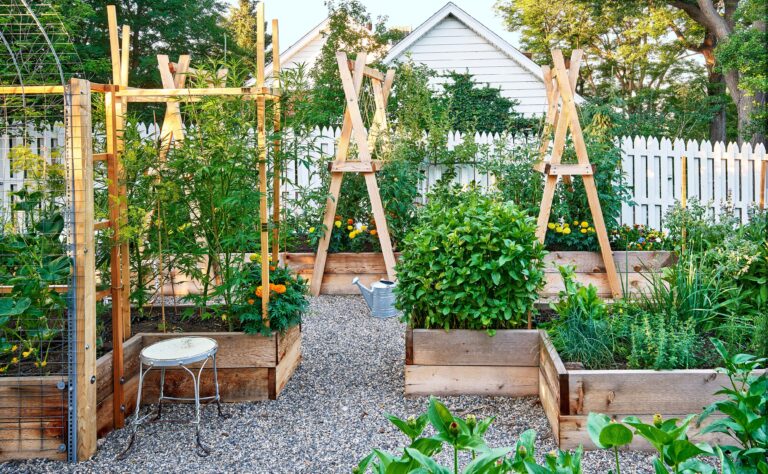
Arrange two or three raised beds in a sunny corner of a small backyard, leaving room for a narrow gravel path between them. This efficient backyard vegetable garden design proves you don’t need acres to grow food — each bed can hold tomatoes, peppers, lettuce, and herbs. You’ll love how the contained beds define the space, making the garden feel intentional rather than messy, like a tidy meadow edged by stone.
In backyard vegetable garden design, raised beds offer better soil control, drainage, and easier access. Position them north to south for maximum sun exposure. Use untreated cedar or recycled composite lumber for longevity. Fill with a mix of compost, topsoil, and coconut coir. The compact footprint yields surprising harvests — a small garden, but a generous table.
2. Upward Growth: A Vertical Vegetable Garden Against the House
Mount a series of vertical planters or trellises against the sunny side of your house, and train peas, beans, or small squash to climb. This space-saving backyard vegetable garden design turns blank walls into productive growing space. You’ll appreciate how the vines soften the hard siding, creating a living tapestry of leaves and flowers, like ivy on a cottage but edible.
Vertical elements are key in backyard vegetable garden design when square footage is tight. Use wire trellises, pallet planters, or pocket shoe organizers hung on a fence. Plant climbing vegetables at the base, and train them upward as they grow. The vertical garden also improves air circulation, reducing fungal diseases. A sunny wall becomes a living larder.
3. Evening Glow: String Lights Over a Lush Vegetable Garden
String warm white lights overhead on poles or between trees, casting a gentle glow over your vegetable beds. This enchanting backyard vegetable garden design extends your gardening time into the evening and turns watering into a magical ritual. You’ll love how the lights make the garden feel like a fairy-lit meadow, where even the kale looks romantic.
Lighting transforms backyard vegetable garden design from purely functional to truly magical. Use outdoor-rated string lights with LED bulbs for safety and low energy use. Drape them along a fence, zigzag over a seating area, or hang from a DIY wooden frame. The soft illumination makes evening harvests possible and encourages you to linger among the plants after dark.
4. Ready-to-Grow: Prefab Raised Beds for Instant Garden Structure
Start your vegetable garden with two or three pre-made metal or cedar raised beds, which provide instant structure and clear boundaries. This beginner-friendly backyard vegetable garden design eliminates the need for building from scratch. You’ll appreciate how the clean lines of the beds keep the space looking tidy, like a series of planting frames in a meadow.
Prefab beds are a smart shortcut in backyard vegetable garden design. Look for galvanized steel or rot-resistant wood kits that assemble in minutes. Place them on level ground, fill with quality soil, and you’re ready to plant within an afternoon. The uniform shape and height also reduce stooping, saving your back during harvest.
5. Pollinator Paradise: Mixing Vegetables and Flowers
Intersperse marigolds, zinnias, and nasturtiums among your tomato and pepper plants. This beautiful backyard vegetable garden design attracts beneficial insects and repels pests naturally. You’ll love how the bright flowers soften the utilitarian look of vegetables, turning the garden into a meadow where food and beauty grow side by side.
Companion planting is a core principle of backyard vegetable garden design. Flowers like marigolds deter nematodes, calendula attracts pollinators, and nasturtiums act as a trap crop for aphids. Tuck them in between rows or at the ends of beds. The result is a healthier, more resilient garden that feeds both your family and local wildlife.
6. Rustic Wood Planters with Twinkling Lights
Build a series of rustic wooden planters along a sunny fence, then string fairy lights above them. This charming backyard vegetable garden design combines the warmth of natural wood with the magic of soft illumination. You’ll feel like you’re gardening in a storybook glade, where every leaf seems to glow at dusk.
Wooden planters add a handcrafted feel to any backyard vegetable garden design. Use untreated cedar or redwood for rot resistance. Vary the heights for visual interest — taller planters for trailing tomatoes, shallower ones for lettuce and radishes. The fairy lights woven through the fence pickets or overhead create an inviting atmosphere for evening gardening.
7. Biodiversity Feast: A Garden Full of Diverse Vegetables
Plant an abundant mix of vegetables, herbs, and edible flowers in a relatively small area — a technique often called “intensive gardening.” This productive backyard vegetable garden design maximizes yield by using every inch of soil. You’ll love how the varied leaf shapes, colors, and heights create a tapestry that’s both functional and beautiful, like a wild meadow planted by a thoughtful hand.
Diversity is a superpower in backyard vegetable garden design. Mix tall plants (tomatoes, trellised beans) with medium ones (peppers, kale) and low growers (carrots, lettuce). Add herbs like basil, dill, and cilantro throughout. The varied canopy shades the soil, retains moisture, and confuses pests. A diverse garden is a resilient garden — and a beautiful one, too.
8. Herb Wall: A Vertical Garden Mounted on a Fence or Wall
Mount a vertical herb garden on a sunny fence using pocket planters or recycled pallets. This clever backyard vegetable garden design keeps basil, thyme, oregano, and rosemary within easy reach of your kitchen door. You’ll appreciate how the vertical arrangement saves ground space while providing fresh herbs for cooking year-round.
Vertical herb gardens are a favorite in backyard vegetable garden design because they’re accessible and space-efficient. Use a wooden pallet lined with landscape fabric, a hanging shoe organizer, or commercially available pocket planters. Mount it on a south-facing wall or fence. Plant herbs with similar water needs together. Harvest from the comfort of standing height — no bending required.
9. Centerpiece Planters: Wooden Boxes as Garden Anchors
Place two large wooden planters in the center of your garden as focal points, growing tall flowers or cherry tomatoes. This anchoring backyard vegetable garden design creates structure and visual interest. You’ll love how the planters break up the space, giving your eyes a place to rest between vegetable beds, like two blooming shrubs in a meadow.
Large planters serve as punctuation in backyard vegetable garden design. Use them at the ends of rows, at the entrance to the garden, or as a central feature. Plant them with dramatic vegetables — okra, purple cauliflower, rainbow chard — or annual flowers to attract pollinators. The raised height also makes tending easier for those with limited mobility.
10. Planter & Light Pairing: Wood Boxes with Overhead String Lights
Combine a row of wooden planter boxes with string lights suspended above on metal poles. This celebratory backyard vegetable garden design transforms a simple growing area into an outdoor dining or entertaining space. You’ll adore how the lights reflect off the leaves, and how the planters’ wood tones warm the entire scene, like a harvest festival every evening.
String lights above planter boxes create a destination in your backyard vegetable garden design. Use 6-8 foot wooden posts set in concrete, with weatherproof hooks at the top. String LED lights in a zigzag pattern. Below, place wooden box planters filled with a mix of vegetables, herbs, and edible flowers. Add a small bench or bistro set. The garden becomes an evening living room.
11. Festoon Lighting: A Canopy of Lights Over Dense Plantings
Suspend a canopy of festoon lights over a densely planted vegetable garden, creating a magical ceiling of soft illumination. This whimsical backyard vegetable garden design makes even the most utilitarian vegetable patch feel like a fairyland. You’ll appreciate how the lights draw the eye upward, balancing the lush growth below.
Festoon lights (the larger, round-bulb style) add vintage charm to any backyard vegetable garden design. Mount them between trees, on tall posts, or from a pergola structure. Use warm white bulbs for a cozy glow. The lights overhead make evening watering a pleasure and transform harvest sessions into miniature celebrations. Your vegetables may not care, but you will.
12. Densely Planted & Beautifully Lit: A Feast for the Senses
Fill every inch of your garden beds with vegetables, then add subtle pathway lighting to guide you at dusk. This lush backyard vegetable garden design maximizes yield while creating a sense of mystery and depth. You’ll love how the dense plantings create a jungle-like feel, and how the low lights make the garden feel like a secret world.
Pathway lighting is an underrated element in backyard vegetable garden design. Use solar-powered or low-voltage LED stake lights along the edges of your raised beds or gravel paths. Choose lights that cast a warm glow downward, avoiding light pollution. The subtle illumination makes night harvesting safe and adds a layer of safety for evening strolls among the vegetables.
13. Hands in the Soil: A Gardener at Work in a Productive Garden
Capture the essence of gardening with a scene of a woman kneeling in a lush vegetable patch, her hands in the soil. This human element reminds us that backyard vegetable garden design is ultimately about the gardener’s connection to the land. You’ll feel the satisfaction of growing your own food, the sun on your back, and the earth between your fingers.
When designing your garden, include ergonomic features that make kneeling and reaching comfortable: knee pads, wide paths, and raised beds at a comfortable height. In backyard vegetable garden design, the gardener’s well-being is as important as the plants’. A garden should invite you in, offer you rest, and reward your labor with beauty and bounty. Design for the human as much as for the harvest.
14. Tight Spaces, Big Harvests: Compact Raised Beds in a Small Yard
Arrange three compact raised wooden beds in a tight formation with narrow paths between them, maximizing every square foot of a small backyard. This efficient backyard vegetable garden design is perfect for urban gardeners. You’ll appreciate how the intimate scale feels cozy rather than cramped, like a cottage garden where every plant earns its place.
Compact doesn’t mean unproductive in backyard vegetable garden design. Use square-foot gardening techniques: divide each bed into 1-foot grids and plant intensively. A 4×4 bed can grow 16 different crops. Choose dwarf or bush varieties of tomatoes, peppers, and squash. Vertical trellises on the north side of each bed add even more growing space. Small footprint, big yield.
15. Flowers Among Vegetables: Wooden Planters as Edible Ornamentals
Fill a long wooden planter with a mix of edible flowers (nasturtiums, calendula, violas) and compact vegetables (dwarf kale, patio tomatoes). This decorative backyard vegetable garden design blurs the line between ornamental and edible. You’ll love how the bright blooms attract pollinators while the vegetables provide harvest, like a meadow that’s both beautiful and useful.
Edible landscaping is a growing trend within backyard vegetable garden design. Place mixed planters where they can be seen from your kitchen window or patio. Use them as borders along walkways or as anchors around a seating area. The flowers soften the vegetables’ more utilitarian look, and you get to eat the results — a garden that feeds the eyes and the belly equally.
16. Living Wall of Flavor: A Vertical Garden Teeming with Herbs
Grow a vertical herb garden using stacked planters or a pallet leaning against a wall, filled with basil, mint, cilantro, and parsley. This space-smart backyard vegetable garden design puts fresh herbs at arm’s reach. You’ll appreciate how the different leaf textures and colors — fuzzy sage, feathery dill, glossy basil — create a living tapestry.
A vertical herb garden is a perfect entry point for beginners in backyard vegetable garden design. Herbs are forgiving, grow quickly, and are expensive to buy fresh. Place your vertical garden near the kitchen door for easy snipping. Use a drip irrigation system or water carefully, as vertical planters dry out faster. Harvest often to encourage bushier growth. Your cooking will never be the same.
17. Bird’s Eye Beauty: An Aerial View of a Garden with Patio Seating
Step back and view your vegetable garden from above, noticing how the raised beds, gravel paths, and small patio seating area form a cohesive whole. This holistic backyard vegetable garden design emphasizes that gardens are for living in, not just looking at. You’ll love how the seating area invites you to linger, drink your morning coffee, and watch the garden grow.
A seating area is a vital but often overlooked element in backyard vegetable garden design. Place a small bench or a couple of chairs where you have a good view of the garden — near a pollinator patch, under a shade tree, or beside a water feature. Add a small side table for your mug. This space encourages you to spend time observing, which makes you a better gardener. The harvest tastes better when eaten where it grew.
18. Diversity Crown: A Garden Brimming with Vegetable Varieties
Plant an extraordinary variety of vegetables — purple beans, orange cauliflower, rainbow chard, striped tomatoes — for a garden that is as colorful as it is productive. This joyful backyard vegetable garden design treats each plant as a work of art. You’ll adore how the unusual colors and shapes turn harvesting into a treasure hunt.
Don’t be afraid of non-green vegetables in backyard vegetable garden design. Purple vegetables contain anthocyanins, which are healthy antioxidants. Orange cauliflower has extra beta-carotene. The varied colors also make the garden more visually appealing and can spark a child’s interest in eating their veggies. Grow what you love to eat, but also grow what delights your eyes — the garden should feed your soul, too.
19. Terrace Tranquility: A Relaxing Vegetable Garden on a Patio or Deck
Transform a terrace, patio, or deck into a productive vegetable garden using pots, planters, and vertical systems. This container-based backyard vegetable garden design is perfect for renters or those with no in-ground space. You’ll love how the pots can be rearranged seasonally, creating a flexible, living space that feels like a garden in the sky.
Container gardening is a flexible subset of backyard vegetable garden design. Use large pots (at least 12 inches deep) for tomatoes, peppers, and eggplants. Smaller pots work for lettuce, radishes, and herbs. Add a small bistro table and chair to make the terrace an outdoor room. Even a tiny balcony can become a lush, productive retreat with careful planning and vertical elements.
20. Dedicated Herb Spiral: A Sculptural, Space-Saving Herb Garden
Build a spiral-shaped herb garden using stones or bricks, creating different microclimates for different herbs. This sculptural backyard vegetable garden design is both beautiful and highly functional — the top is dry and sunny (for rosemary, thyme), the bottom is moist and cool (for mint, parsley). You’ll love how the spiral becomes a garden feature, like a living sculpture made of flavor.
A herb spiral is a classic permaculture element within backyard vegetable garden design. It fits in a small footprint (about 6 feet in diameter) but provides a surprising amount of planting space. Use rocks, bricks, or concrete blocks to build the spiral wall, then fill with soil. Plant herbs according to their water needs. The spiral is efficient, beautiful, and endlessly practical.
21. The Full Meadow: A Garden So Dense You Can Barely See the Soil
Plant so intensively that the soil is completely hidden beneath a canopy of leaves, flowers, and vegetables. This lush backyard vegetable garden design suppresses weeds, retains moisture, and looks incredibly abundant. You’ll feel like you’re stepping into a jungle of edibles, where every leaf is either food or a friend to your food.
Intensive planting is a hallmark of productive backyard vegetable garden design. Space plants closer than recommended (using square-foot gardening methods) to create a living mulch. The dense foliage shades the soil, reducing water evaporation and weed germination. It also creates a humid microclimate that many vegetables love. Just ensure good air circulation to prevent fungal diseases. A dense garden is a happy garden.
22. Classic Raised Beds: The Workhorse of Vegetable Gardening
Build a set of classic wooden raised beds — 4×8 feet, 12 inches deep — and fill them with a precise mix of topsoil, compost, and aeration materials. This traditional backyard vegetable garden design is beloved for good reason: it’s accessible, productive, and neat. You’ll appreciate how the contained beds prevent soil compaction and make crop rotation easy, like a series of planting frames in an outdoor gallery.
Raised beds are the gold standard in backyard vegetable garden design for good reason. They warm up faster in spring, drain better than in-ground beds, and reduce bending. Use untreated cedar for longevity (10-15 years). Fill with a 50/50 mix of high-quality topsoil and compost, plus some perlite or vermiculite for aeration. Plant intensively. Harvest happily. Repeat.
23. The Botanical Kitchen: A Garden of Unusual Edibles
Expand your definition of vegetable gardening to include unusual edibles: ground cherries, tomatillos, cucamelons, and shiso. This adventurous backyard vegetable garden design turns your garden into a tasting menu of the unexpected. You’ll love discovering new flavors and surprising dinner guests with ingredients they’ve never seen.
Don’t limit yourself to supermarket vegetables in your backyard vegetable garden design. Grow what you can’t buy: purple tomatillos, lemon cucumbers, glass gem corn, oca tubers. These unusual crops are often easier to grow than common ones because they have fewer pests. They also make gardening endlessly fascinating — there’s always something new to try. Your garden becomes a laboratory, not just a production field.
24. Flowers as Vegetable Guardians: A Border of Blooms
Surround your vegetable beds with a border of flowering plants — marigolds, alyssum, cosmos — to attract beneficial insects and beautify the space. This integrated backyard vegetable garden design treats flowers as essential partners, not mere decorations. You’ll appreciate how the blooms soften the edges of the vegetable beds and bring constant movement with visiting bees and butterflies.
A flower border is a best practice in backyard vegetable garden design. Plant low-growing flowers around the perimeter of each bed, or create dedicated pollinator patches nearby. Choose flowers that bloom in sequence to provide nectar all season. The beneficial insects they attract will prey on aphids, caterpillars, and other pests. The flowers also make the garden a more joyful place to spend time — a meadow that works for you.
🌿 Seed & Soil Almanac: 5 Essential Strategies for Backyard Vegetable Garden Design
- ☀️ Sun Mapping: Before you build a single bed, observe your yard for a full day, noting which areas get 6-8 hours of direct sun. In backyard vegetable garden design, sun is your most precious resource. Leafy greens (lettuce, spinach) tolerate partial shade, but fruiting plants (tomatoes, peppers, squash) need full sun. Draw a sun map, then place your beds accordingly. A garden in the wrong light is a garden that struggles — like a meadow under a dense canopy, it will never reach its potential.
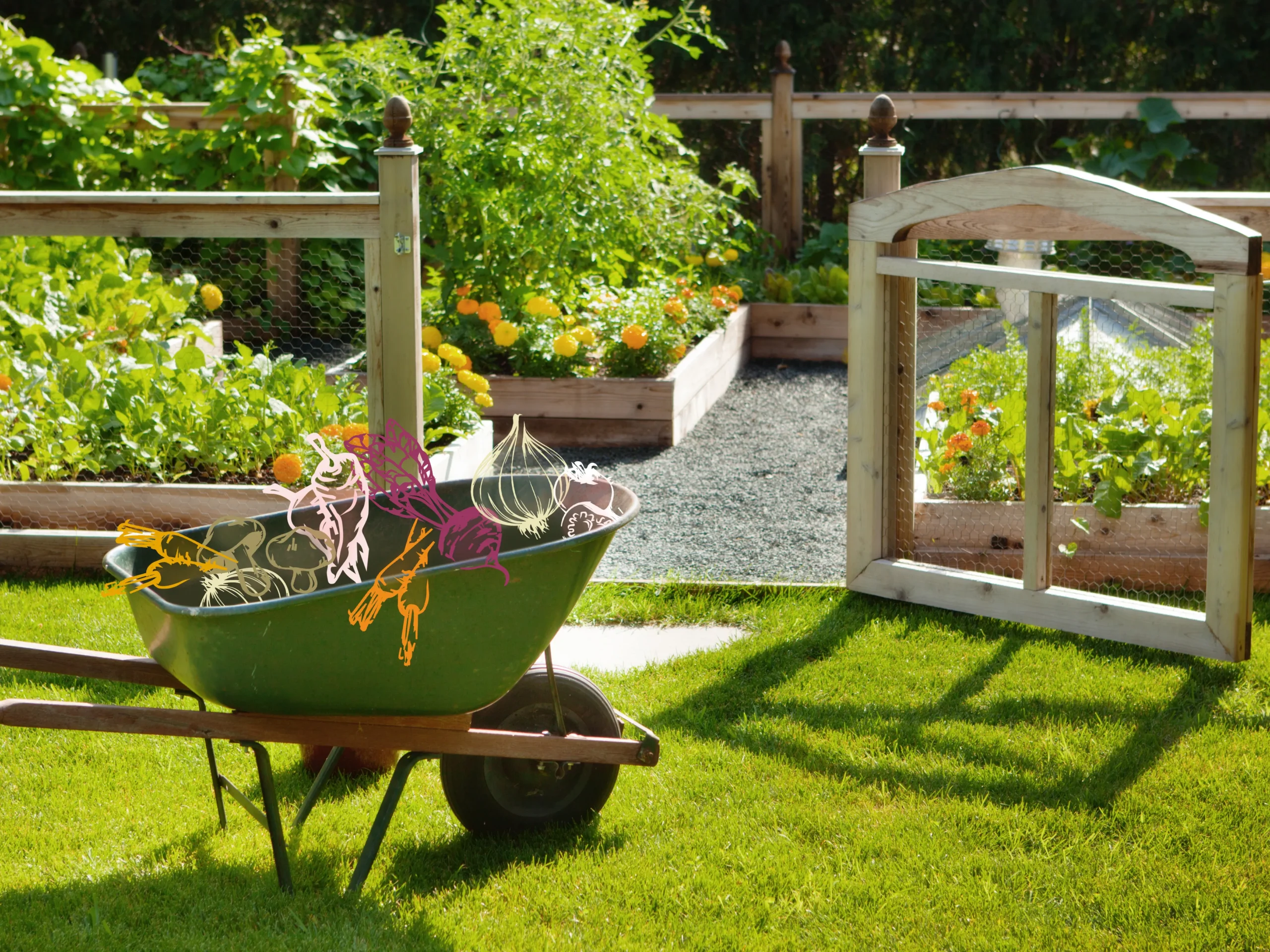
- 🪵 Path Width Wisdom: All paths between raised beds should be at least 24 inches wide for comfortable walking, and 36 inches wide if you plan to use a wheelbarrow. In backyard vegetable garden design, generous paths prevent you from trampling plants and make maintenance a joy rather than a contortion act. Use wood chips, gravel, or stepping stones to keep paths weed-free and your feet dry. A garden you can move through easily is a garden you’ll use often — like well-marked trails through a forest.
- 💧 Water Access at Every Bed: Run a water line or position your hose so that every bed is within reach of a hose or watering can. In backyard vegetable garden design, convenient water access is non-negotiable. If you have to drag a hose across the yard or carry heavy watering cans, you’ll water less often and your plants will suffer. Consider drip irrigation on a timer for consistent moisture. Water is the lifeblood of the garden — make it effortless to deliver, like a spring that flows to every corner of a meadow.
- 🌱 Crop Rotation Mapping: Divide your beds into four sections and rotate plant families (solanums, brassicas, legumes, roots) each year. In backyard vegetable garden design, a simple rotation plan prevents soil-borne diseases and nutrient depletion. Keep a map in a garden journal, and update it each spring. Your soil will stay healthier, and you’ll spend less on fertilizers. Rotation is the heartbeat of a sustainable garden — like wildflowers moving across a meadow over the years, always renewing the ground.
- 🪑 A Place to Rest: Incorporate a bench, a couple of chairs, or even a large flat rock where you can sit amid your vegetables. In backyard vegetable garden design, this seating area transforms the garden from a chore zone into a sanctuary. You’ll sit with your morning coffee, watch the bees work, notice aphids before they become an infestation, and simply breathe. The best gardens are not just productive — they’re restorative. A bench in the garden is like a deep breath in the middle of a busy life.
Frequently Asked Questions
Q: How much sun does a vegetable garden really need?
Ans: Most vegetables need at least 6-8 hours of direct sun daily. In backyard vegetable garden design, observe your yard for a few days to identify the sunniest spots. Leafy greens (lettuce, spinach, kale) can tolerate as little as 4 hours, but fruiting plants (tomatoes, peppers, eggplants, squash) need full sun. If your yard is partially shaded, focus on shade-tolerant crops and use reflective mulch or white-painted fences to bounce light into the garden. A sun map is the first tool you should create — everything else follows.
Q: What’s the best soil mix for raised vegetable beds?
Ans: The ideal mix for backyard vegetable garden design is often called “Mel’s Mix”: 1/3 compost, 1/3 peat moss or coconut coir, and 1/3 vermiculite or perlite. This blend is light, drains well, retains moisture, and is nutrient-rich. For in-ground gardens, amend native soil with 2-3 inches of compost and a light dusting of organic vegetable fertilizer. Get a soil test every few years to know what your soil lacks. Healthy soil is alive with microbes, worms, and fungi — it should smell like a forest floor, not a bag of chemicals.
Q: How do I keep pests away without chemicals?
Ans: Integrated pest management is key in backyard vegetable garden design. Start with prevention: healthy soil grows strong plants that resist pests. Use floating row covers to physically block insects. Encourage beneficials by planting flowers (marigolds, alyssum, borage) that attract ladybugs, lacewings, and hoverflies. Hand-pick tomato hornworms and Japanese beetles. Use neem oil or insecticidal soap as a last resort. Accept a little pest damage — a perfect garden is a chemical garden. A wilder garden is a healthier one.
Q: What are the easiest vegetables for a beginner vegetable garden?
Ans: For your first season of backyard vegetable garden design, start with these forgiving crops: lettuce (cut-and-come-again), radishes (harvest in 25 days), bush beans (productive and nitrogen-fixing), zucchini (one plant is enough — trust me), cherry tomatoes (prolific and sweet), and herbs like basil, thyme, and parsley. These plants tolerate some neglect and reward quick, visible growth — essential for building gardening confidence. Avoid finicky crops (cauliflower, celery, artichokes) until you’ve had a few successful seasons.
Q: How do I design a vegetable garden that also looks beautiful?
Ans: Treat backyard vegetable garden design as ornamental landscaping. Use raised beds with clean lines, paint them a subtle color, or build them from natural cedar. Add archways for beans or cucumbers. Intersperse flowers throughout — marigolds, nasturtiums, zinnias, cosmos — for color and pollinator appeal. Use attractive planters and vertical elements. Include a seating area, pathway lighting, and a water feature if possible. A vegetable garden can be as beautiful as any flower border — it just tastes better.
Conclusion
You have walked the pathways of abundant backyard vegetable garden design — from compact raised beds and vertical herb walls to string-lit planters and flower-bordered patches. Each image whispered the same truth: a vegetable garden is never just about food. It is about soil under your fingernails, the first ripe tomato split open over the sink, the way lettuce tastes when it’s still warm from the sun, and the quiet pride of feeding your family from your own land. Like a meadow that gives both beauty and sustenance, your vegetable garden can become the most generous room in your home.
Now it is your turn to mark the sunny spot in your yard, to build a raised bed or find a large pot, and to tuck seeds into the soil. Go find a trowel, a bag of compost, and a few packets of seeds that make you excited. Your backyard vegetable garden design is waiting to be born — not perfect, not instant, but yours. With each season, it will grow richer, and so will you. 🌿🍅🥕